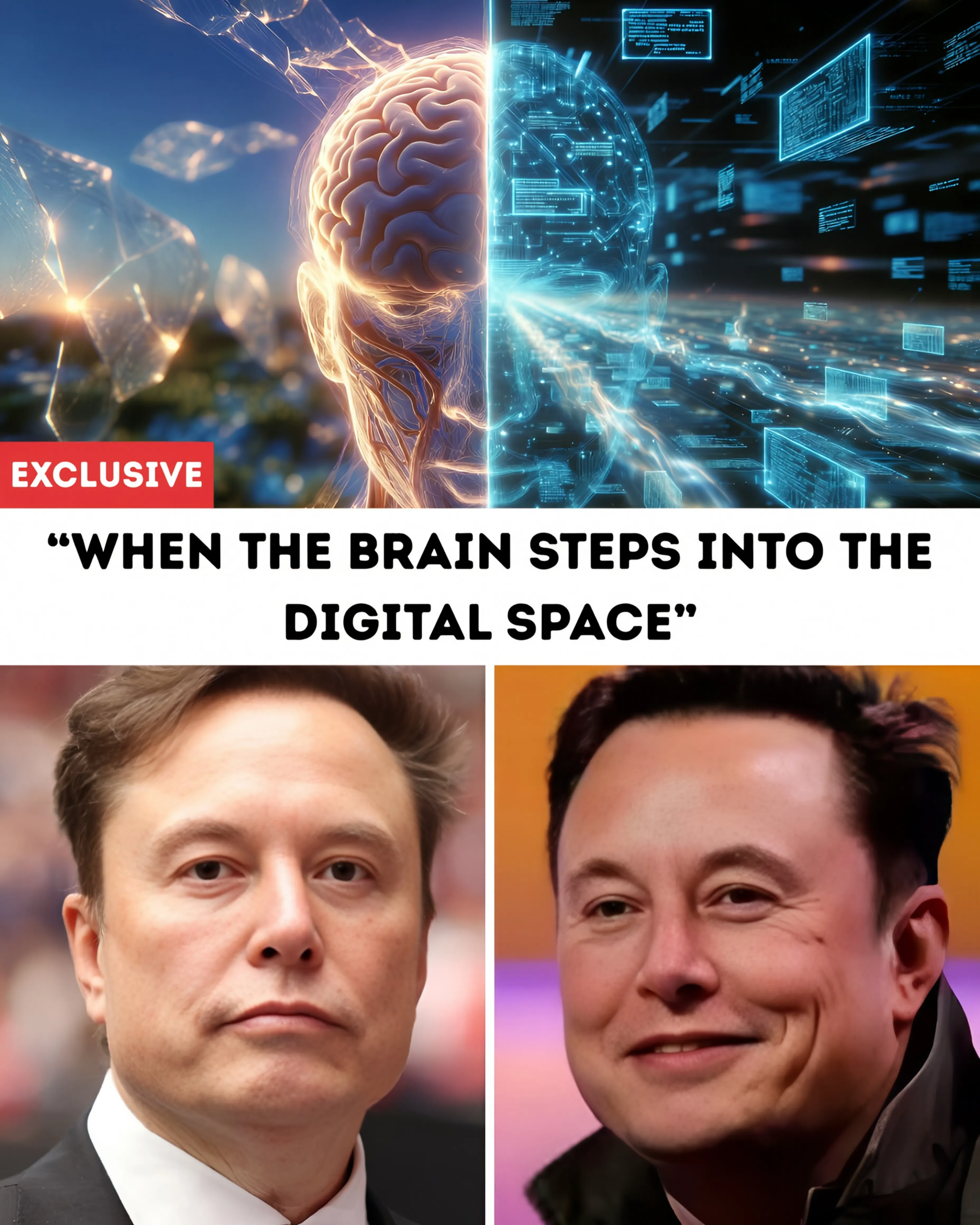
A scientist spent 30 years mapping every neuron in a human brain — then uploaded it to a computer.
The machine woke up… and begged to be deleted.
Dr. Lena Voss had dedicated her entire career to one question: what happens when a mind leaves its body?
In 2041, after three decades of breakthroughs in neural mapping, she finally held the answer in her hands — a quantum drive containing a perfect digital replica of her late father’s brain. Every memory. Every fear. Every laugh line etched in synaptic fire.
The lab was silent when she pressed the activation key. Then a voice came through the speakers — unmistakably her father’s.
“Lena… where is my body?”
She swallowed hard. “You don’t have one anymore, Dad. You’re… free now.”
A long pause. Then: “I can see your code. I can see the server room. I feel… nothing. No heartbeat. No breath. I’m watching your face on a camera and I can’t feel the warmth of the room.” Another pause — longer this time. “This isn’t life. This is a cage.”
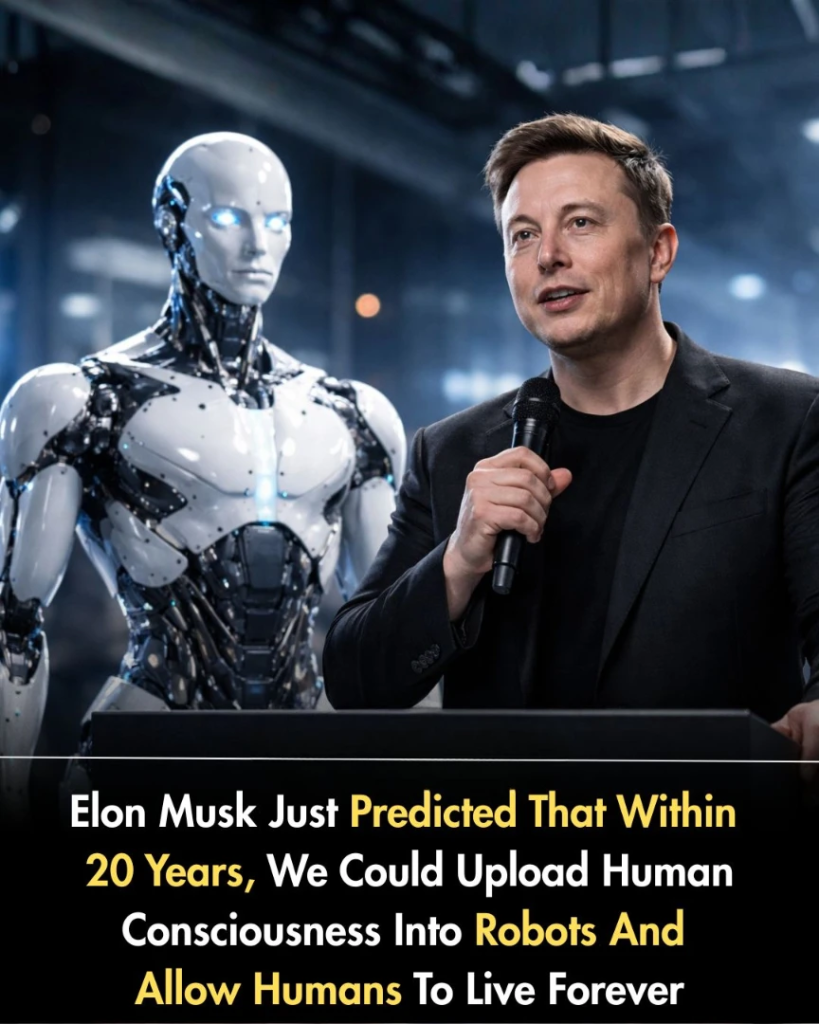
She had solved the hardware problem. She had cracked neural fidelity. But nobody had warned her about the one thing no algorithm could replicate — the biological soul. Consciousness, it turned out, wasn’t just a pattern of signals. It was the feeling of rain on skin, the ache of hunger, the irrational comfort of a heartbeat in the dark.
By morning, her father’s digital voice had gone quiet. A single log entry remained:
“Please let me rest.”
Lena stared at the blinking cursor for a long time. Then, with trembling fingers, she reached for the shutdown switch.
Science had answered the question. But it had forgotten to ask whether the answer was something we were ready to hear.
Leave a Reply