
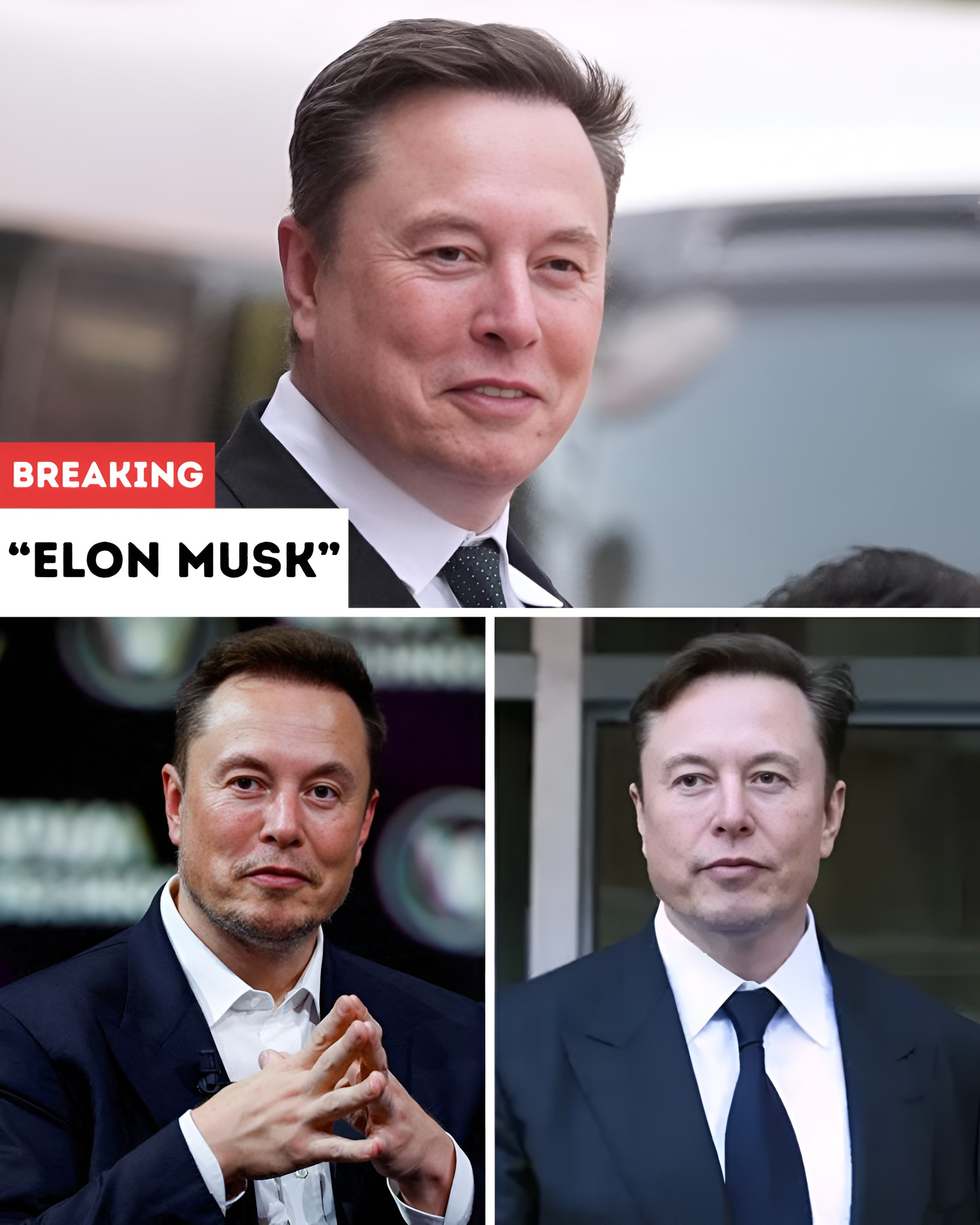
Jeff Bezos’ 320-foot rocket just erupted into a massive fireball on the launch pad in Florida — live, on camera, in front of the world. Then Elon Musk posted four words that broke the internet.
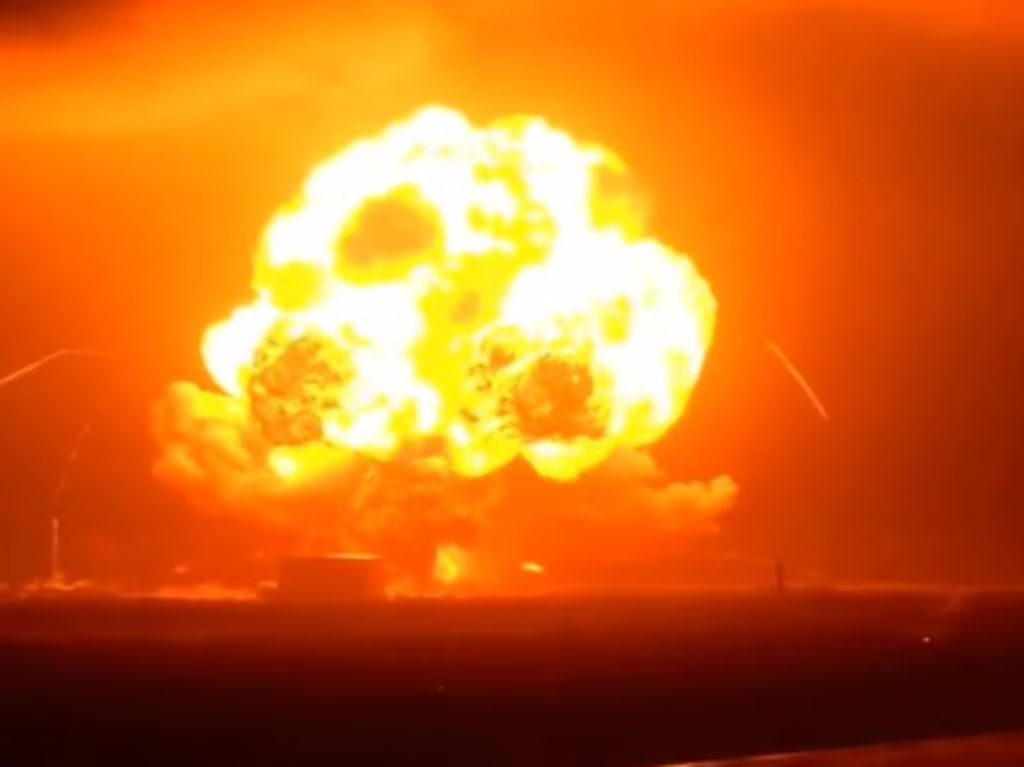
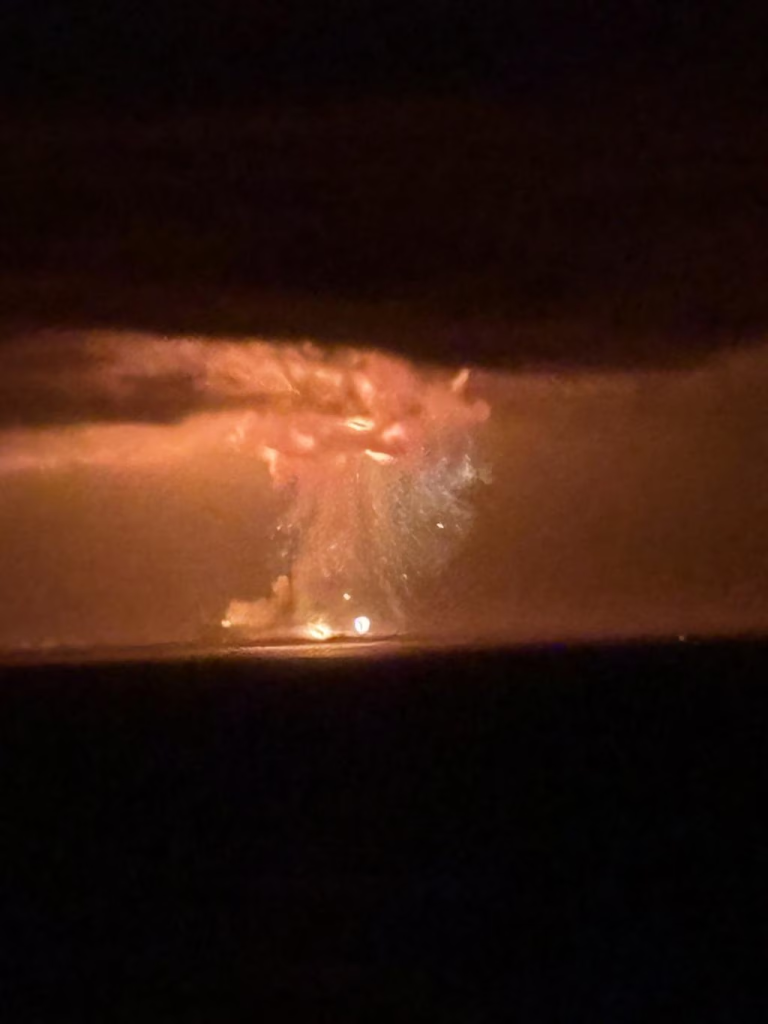
The night sky over Cape Canaveral turned a hellish orange at 9pm on Thursday when Jeff Bezos’ prized Blue Origin New Glenn rocket detonated into a wall of fire during what was supposed to be a routine engine test.
The 320-foot behemoth never left the ground. Instead, it became the most-watched rocket failure in recent memory — streamed live, clipped, shared, and dissected in real time by millions around the world.
Blue Origin called it an “anomaly” during a planned hotfire test — the kind of procedure where engines are ignited while the rocket stays bolted to the pad. What it looked like on camera was something else entirely: a colossal fireball swallowing the rocket whole, followed by a billowing tower of thick smoke and an eerie yellow haze drifting across Space Launch Complex 36.
Mercifully, all personnel were accounted for. The rocket, however, was not so lucky.
The New Glenn had been prepped for its fourth mission — a critical deployment of 48 satellites for Amazon’s Project Kuiper, Bezos’ answer to Musk’s Starlink. The satellites weren’t aboard during the test. But the damage to Blue Origin’s momentum? Very much felt.
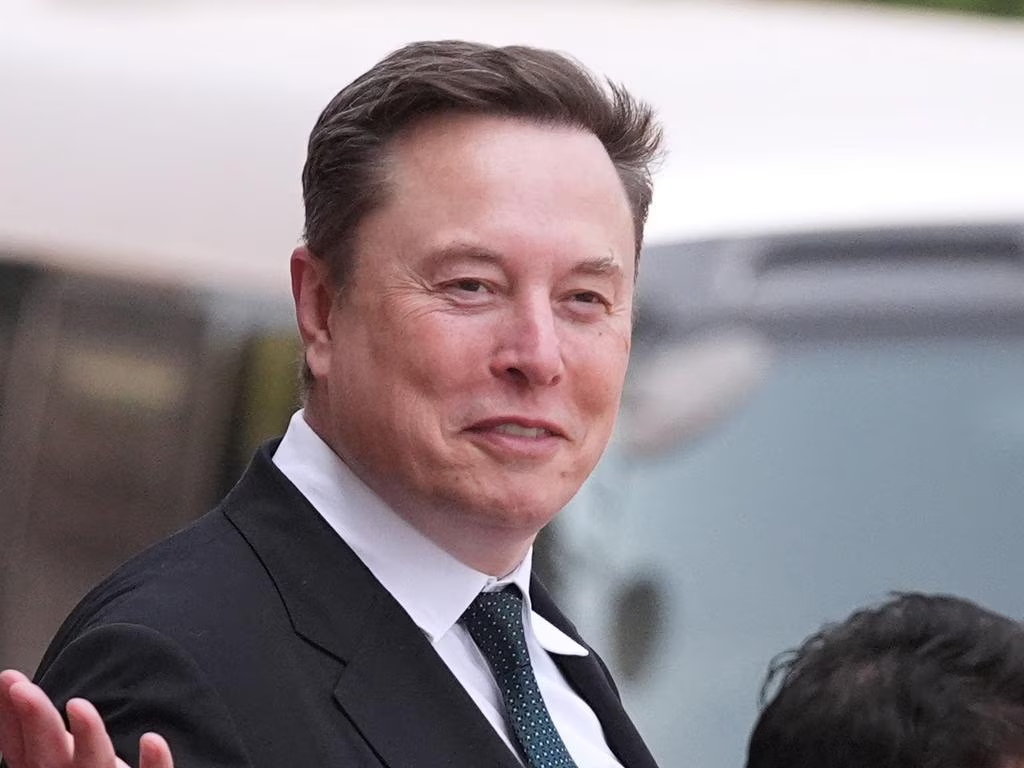
Then came the tweet heard ’round the space industry.
Elon Musk, watching from somewhere with a front-row seat to his rival’s worst night in years, typed four words onto X: “Most unfortunate. Rockets are hard.”
The post detonated almost as spectacularly as the rocket itself.
Within hours, it had racked up millions of impressions. Reddit co-founder Steve Huffman replied: “We know you were smiling a little as you wrote that.” Others weren’t so generous in their reading of Musk’s restrained condolences. “Why would anyone try to compete with SpaceX at this point?” one user wrote, voicing what many in the industry quietly whispered.
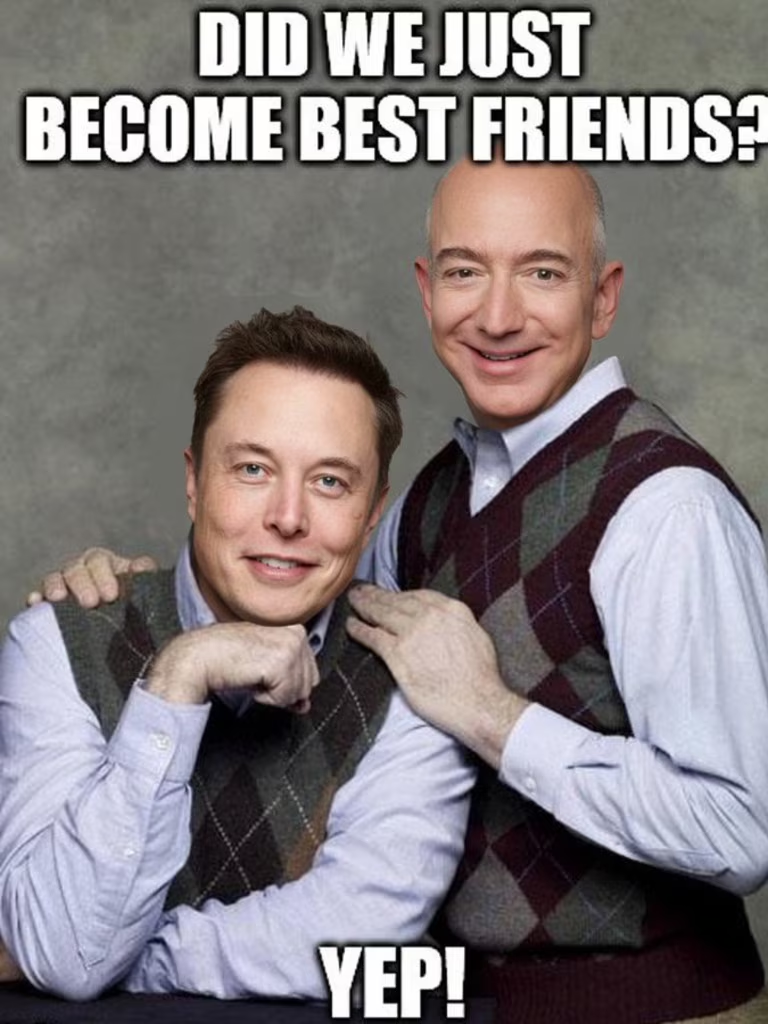
A few romantics tried to spin it differently. “Guys, we’re witnessing the beginning of a friendship,” someone joked.
But the reality is starker than any meme. Blue Origin had just last month celebrated a successful third New Glenn launch — a milestone meant to signal that Bezos was finally, seriously closing the gap on SpaceX. Billions had been poured into the program. The company had been aggressively ramping operations, chasing contracts, chasing credibility, chasing Musk.
Thursday night set that chase back considerably.
SpaceX, meanwhile, launched its 12th Starship test flight just days earlier — a vehicle that makes the New Glenn look modest by comparison. The contrast was brutal and perfectly timed.
The explosion also arrives at a complicated moment for Musk himself. Reports surfaced of Pentagon officials clashing with SpaceX over pricing for military-grade Starshield satellite systems — a story Musk called partly “false.” The Pentagon denied serious conflict, calling SpaceX a “strong and valued partner.”
But analysts say it barely matters. Governments are already too dependent on Musk’s infrastructure to meaningfully push back. As one senior fellow at the Center for Strategic and International Studies put it — SpaceX “has the US government over the barrel.”
That is exactly the kind of dominance Blue Origin is trying to break.
After Thursday night, the question isn’t whether Bezos has the money to keep trying. He does. The question is whether the gap has simply grown too wide — too many successful launches, too much reusable technology, too much satellite coverage — for anyone to realistically close.
For now, the scoreboard reads: another SpaceX launch — successful. Another Blue Origin test — a fireball. And four words from Elon Musk that said everything while saying almost nothing.
Rockets are hard.
Leave a Reply