
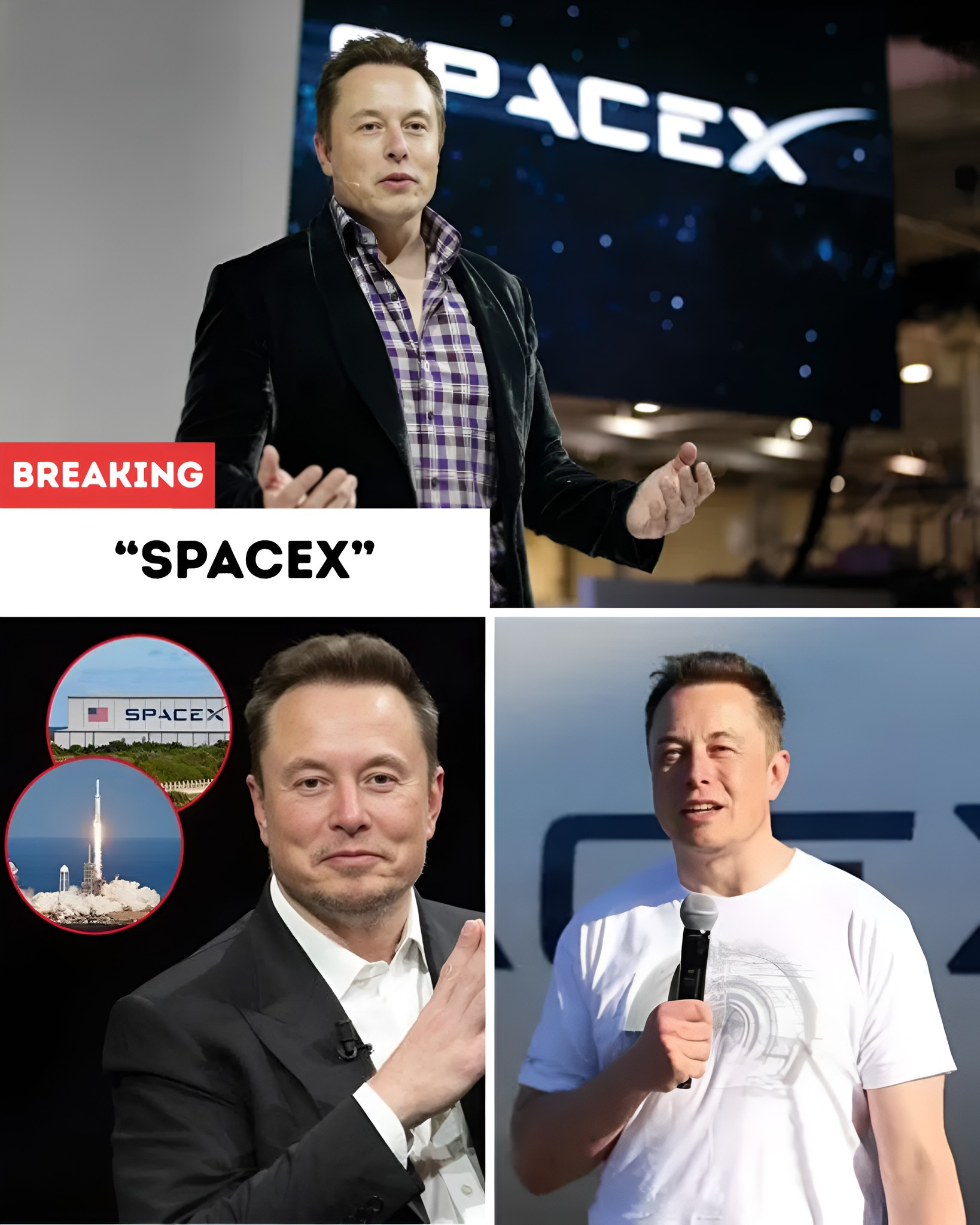
A billionaire awarded himself voting rights on shares he hasn’t earned — for goals he hasn’t achieved, including colonizing Mars… But now he’s preparing to sell that vision to the public in one of history’s biggest IPOs.
Imagine handing someone the keys to your house before they’ve agreed to the lease. Now imagine doing it on a scale of 1.3 billion shares — and calling it a compensation package.
That’s essentially what SpaceX did for Elon Musk in January.
SpaceX, valued at over $1.25 trillion and reportedly eyeing an IPO as early as next month, awarded Musk a restricted stock package tied to milestones most people thought were science fiction: a Mars colony of one million people. Data centers launched into orbit. Goals with no current completion date, no external verification, and no imminent deadline.
Yet under the arrangement, Musk can already vote all 1.3 billion of those shares — today — in shareholder decisions. Ann Lipton, a law professor at the University of Colorado Boulder, put it plainly: “I have never heard of this.”
But that’s only the beginning.
Musk already holds Class B “super voting” shares worth 10 votes each, compared to one vote per share for outside investors. The result: Musk controls approximately 85% of all shareholder voting power. For comparison, Mark Zuckerberg controls around 61% at Meta. Even that figure is considered enormous by governance standards. Musk blows past it.
SpaceX’s own prospectus states clearly: “Mr. Musk will have the power to control the outcome of matters requiring shareholder approval, including election of all our directors, and to control our business and affairs.”
The company also disclosed it won’t maintain a majority-independent board, won’t use an independent compensation committee, and will require shareholder disputes to go through arbitration — not court. Public pension officials in New York and California immediately objected, writing that “mandatory arbitration eliminates the class-action lawsuit structure essential to remedying widespread harms.” They noted no major U.S. company had entered an IPO with such a clause.
Brian Quinn, a Boston College law professor, described Musk’s governance structure as “a defensive moat” that would “entrench him permanently.” He called the January compensation package simply: “insane.”
Even Tesla, another Musk company often criticized for weak governance, requires Musk to actually hit performance targets before voting those shares. SpaceX skipped that step entirely.
So the question facing anyone considering buying into this IPO is simple — and uncomfortable: Are you investing in SpaceX, or are you investing in a company that Elon Musk will always and entirely control, no matter what you think about it?
According to every governance expert who reviewed the structure, you already know the answer.
Leave a Reply